
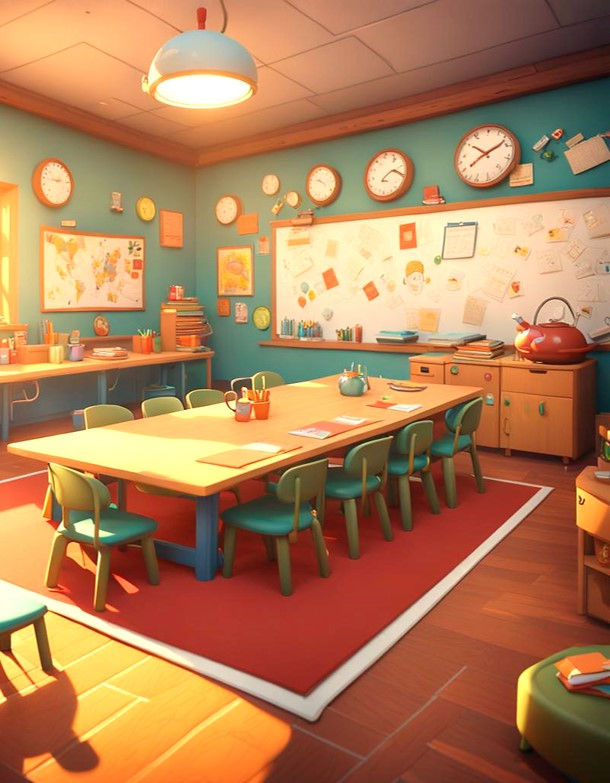
"How to Create a Positive Learning Environment: Classroom Management Tips"
- Georgina Alexander
- May 3, 2024
- 4 min read

Updated: May 11, 2024
Classroom management is one of the things about being a teacher that I felt was a particular strength - I enjoyed it too as I love to be organised!
I've been told a few times that my classroom runs like clockwork. My answer was - 'Yep! We go round and round and every now and again we go cuckoo!'
I was kidding - classroom management plays a crucial role in creating a positive learning environment. Not only that, a good, well thought out and well managed classroom with clear routines can help to reduce stress for both the teacher and the pupils - everyone knows what's happening, how, when and, very importantly, why. I've found that sharing the reasons for what you do in the classroom with pupils goes a long way towards maintaining a calm and productive environment.

Here are a few classroom management essentials:
1. Establish Clear Expectations
Start the school year by setting clear expectations for behavior and academic performance. Involve the pupils in creating these expectations, ensuring that they are age-appropriate and achievable. Post them visibly in the classroom and consistently remind the children of these expectations. It's also a nice idea to get everyone (including the teacher) to sign them like a class charter.
2. Create a Positive Classroom Culture
Emphasize the importance of kindness, respect, and inclusivity in the classroom. Encourage pupils to treat each other with kindness and reinforce positive behavior by providing verbal praise and rewards. Foster a classroom environment where children feel safe, supported, and eager to learn. I've tried a few ideas over the years to help pupils feel heard and valued. My favourites are - choosing a pupil each day to award stickers to three people who have been kind to them (making sure they give a reason and don't just give them to their best mates!), a suggestions box or a 'I need help with' box in the classroom where pupils can post notes to the teacher, a 'star of the day' certificate or note where you also add kind words from the pupils to describe the child e.g. My friends said I am kind, helpful and awesome.
3. Classroom Rules and Routines
Establish a few simple rules that cover behavior and classroom materials. Teach and practice these rules at the beginning of the school year and consistently enforce them. Additionally, develop daily routines for transitions, time management, and responsibilities to provide structure and minimize disruptions. It's always a good idea to establish how you want things to 'flow' in your classroom. Ideally, you should aim to minimise time where pupils have the opportunity to find some mischief to get into! For example, it's a good idea to have tasks that children can be getting on with while everyone is settling down after break. Something like practising skills such as reading, spelling or times tables is good for this or you could set up research or problem solving tasks.
4. Use Positive Reinforcement
Rewarding positive behavior is an effective way to encourage pupils to make good choices. Use a variety of positive reinforcement strategies such as verbal praise, stickers, tokens, or a behavior chart. Celebrate pupils' successes and accomplishments to boost their confidence and motivation.
5. Engage Students Actively
Active engagement helps keep pupils focused and minimizes behavior issues. Incorporate interactive and hands-on activities into your lessons to capture children's attention, cater to different learning styles, and foster a love for learning. Use group work, discussions, and movement activities to keep pupils engaged throughout the day. One thing I like to use is 'brain breaks'. Even in the most well prepared and engaging lesson you might notice a few children begin to lose focus so having a bank of 'brain break' activities is always a good idea. I use short dance videos on YouTube to get the children moving and then a quick deep breathing exercise to get them ready to focus again.
6. Establish Clear Rules for Classroom Materials
Develop a system for managing and organizing classroom materials, such as books, pencils, and art supplies. Teach students how to use and care for these materials appropriately. By establishing clear rules and procedures for accessing and returning materials, you can help minimize distractions and ensure a smooth flow of learning activities. One way you can do this is by recruiting the children to be in charge of particular resources or areas in the classroom. I always like to make sure that every pupil has at least one 'job'. Not only does this make it a bit easier for the teacher, children love to have something they are in charge of!
7. Communicate with Pupils and Parents
Establish open lines of communication with both pupils and parents. It's important that children feel that they can come to you with any issues - make sure they know this. Talk to them about it, give them examples (obviously don't give away information about specific issues) and reminders. Maintain effective communication with parents through newsletters, emails, or parent-teacher conferences to keep them informed of classroom activities and address any issues. As much as communicating with parents is not everyone's favourite part of the job it is extremely important. We know that there are occasions when a few parents might not be the easiest people to deal with. Fortunately, in my long career this has been only very few parents and maintaining a calm and professional demeanour has helped to sort out any issues. The important thing to remember is that keeping parents informed and establishing a relationship with them goes a long way towards being able to deal with any issues that arise.
8. Use Technology as a Tool
Integrate technology into the classroom to enhance class management and learning. It not only helps to make lessons more engaging and interactive but it also helps to organise things and can save you time. I love technology - if there's an app for something I'm all over it! Not only that - technology is a huge part of life and is definitely here to stay.
Remember, effective classroom management requires consistency, patience, and flexibility. Once your routines are established it will make a huge difference to you and your pupils. I hope you find this post useful - thanks for reading!


Comments